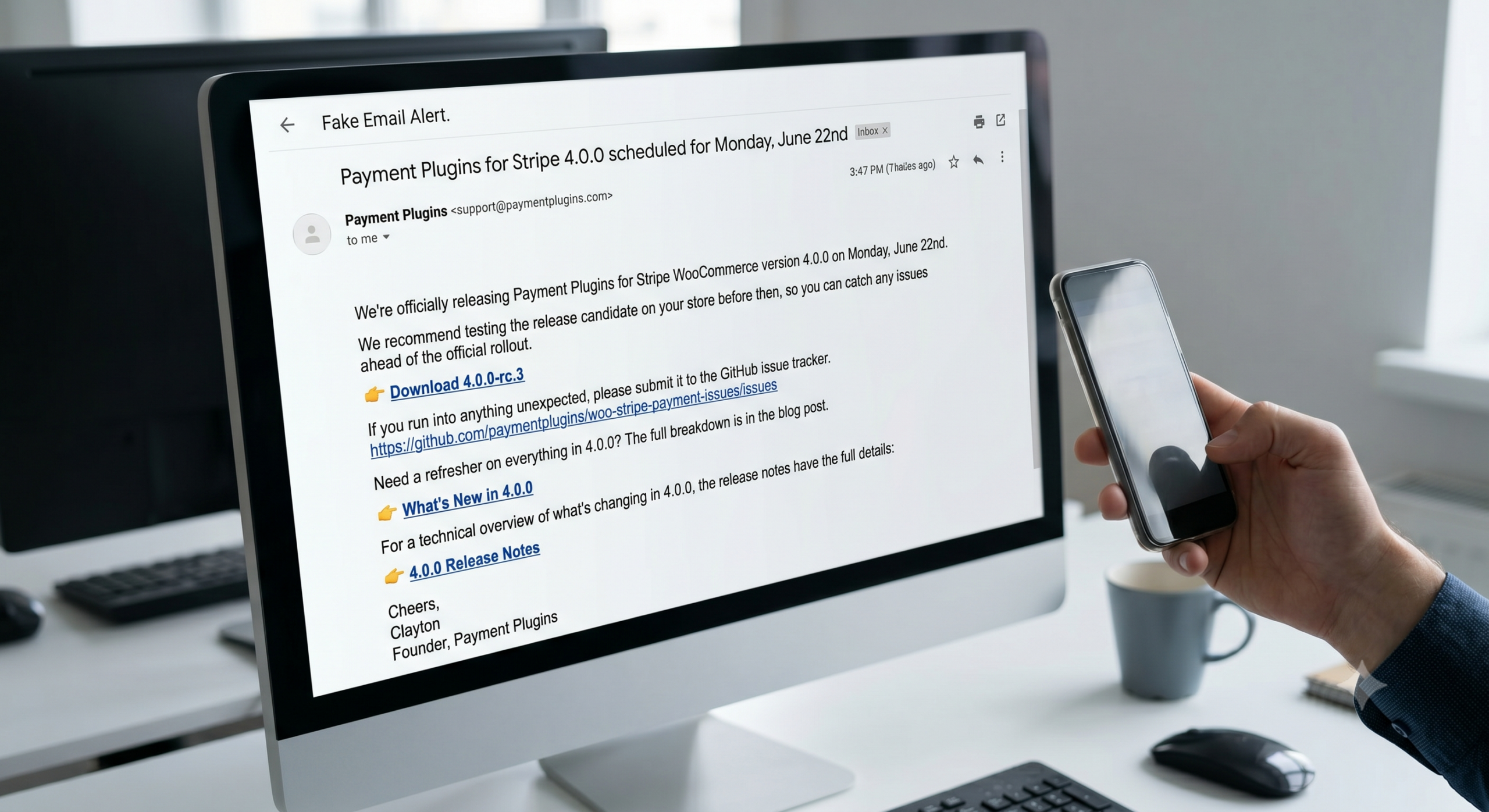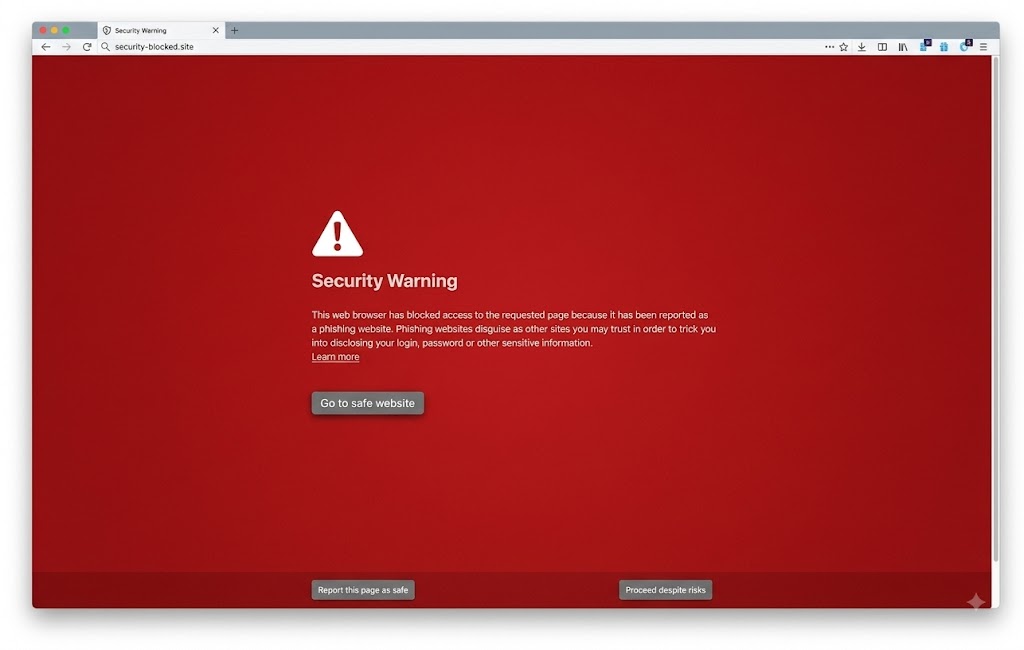
Recently we have seen a rise in Phishing websites and we recently came across a phishing website using our clients design that fooled several users before being taken down.
What are phishing websites?
These websites can often look legitimate and use official logos / wordings. A phishing website is a fraudulent site designed to look exactly like a legitimate, trusted website. The goal is to trick visitors into willingly handing over sensitive information like credit card numbers, passwords, or personal data because they believe they are interacting with the real company.
An example of this happened just this past week. We received a phone call about a website that popped up for the Port Hope Salmon Festival that was requesting payment information for attendees. The website itself looked fairly normal but it had our footer credit as making the website and a concerned user messaged us to learn more about it.
The website was a phishing website and it was duplicated from a legitimate looking website with the goal of extracting payment and payment information from unsuspecting users.
How the Event Ticket Scam Works
The Lure: Scammers set up a fake website that mimics a legitimate ticketing platform (like Ticketmaster, StubHub, or a venue’s official box office). They often use stolen logos, similar color schemes, and identical page layouts.
The Bait: They run ads on social media or search engines offering “discounted” tickets, or claim to have front-row seats to an event that is completely sold out everywhere else
The Hook: They use pressure tactics. The site might feature a fake countdown timer or banners saying “Only 2 tickets left!” to rush the buyer into skipping their normal security checks.
The Catch: The victim enters their credit card information to make the purchase. The scammer steals the financial data, and the buyer either receives a fake, invalid ticket or nothing at all.
How to spot phishing websites
Check with the organization or business: Check with the people running the event or business running the deal to see if the everything is legitimate. Has this promotion previously run? Do you know anyone who has purchased tickets or mad e registration on the website without issue?
The URL is slightly off: Point out that scammers use “typosquatting” (e.g., Ticketmster.com instead of Ticketmaster.com or adding weird extensions).
In our above example they used a completely different domain.
Unusual payment methods: Legitimate platforms won’t ask for a wire transfer, cryptocurrency, or gift cards.
The deal is too good to be true: If VIP passes to a sold-out show are magically 50% off, it’s a trap.
Poor site functionality: Mention that fake sites often have broken links in their footers, bad grammar, or blurry images.